Safe, Low-Maintenance Yard Care Options for Seniors
Struggling to keep up with yard work as you age? Learn safer, low-maintenance ways to trim hedges, control weeds, and reduce ladder use while keeping your yard beautiful.
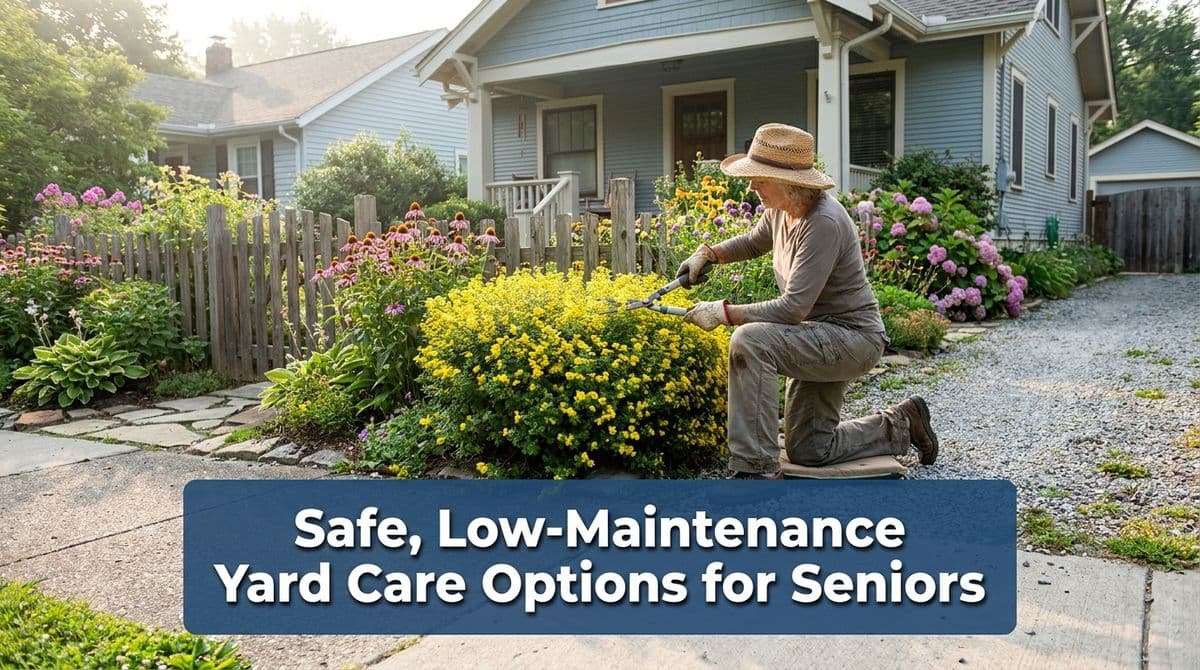
When Yard Work Becomes a Safety Risk Instead of a Joy
We recently got a call from a customer — let's call her Linda — that really stuck with us. Linda told us she and her husband had always taken pride in caring for their own yard. But now, in their mid-70s, the things they used to handle in an afternoon were turning into risky, exhausting projects.
They had tried hiring a "do-it-all" service, but requests sat for months. Meanwhile, the hedges were overgrown, weeds were popping through the mulch, and the only way to reach some of the trouble spots was by climbing a ladder. Linda said she found herself sitting on a low stool, hand-pulling weeds and thinking, “What am I doing? I can’t keep this up.”
Her main concerns were simple but very real:
- Overgrown hedges and shrubs that needed trimming
- Weeds in mulch beds that she was tired of pulling by hand
- A growing worry about falls from ladders and low stools
That conversation reminded us that a beautiful yard shouldn’t come at the cost of safety — especially as we get older. So we want to share some of the same tips and options we walked through with Linda to help aging homeowners keep their yards looking great with less risk and less work.
Safer Hedge and Shrub Care: Cutting Back on Ladder Time
One of the first things we discussed with Linda was how much ladder work her hedge trimming was taking. Reaching the tops and backs of shrubs is tough even when we’re younger; in our 60s, 70s, and beyond, it becomes a major fall risk.
Here are some safer options we often recommend:
- Lower the overall height: When we trim hedges for seniors, we usually suggest reducing the height over a couple of visits so they can be maintained from the ground. A 4–5 foot hedge is much easier and safer to manage than a 7–8 foot wall of green.
- Shape for easy maintenance: We like to shape shrubs with a slightly narrower top and wider base. This helps light reach the lower branches, keeps them fuller, and reduces the need to lean or stretch from awkward angles.
- Plan a simple trimming schedule: For many properties, one strong shaping in spring and a quick touch-up mid-summer is enough. Setting a regular schedule means hedges never get to the “jungle” stage that demands ladders and long, tiring sessions.
If you still enjoy doing some trimming yourself, we also suggest using lightweight, long-handled tools so you can reach without climbing. But if you’re already nervous on a ladder, that’s a good sign it’s time to let a crew like ours handle the higher work.
Weed Control Without Hours on Your Knees
Linda mentioned something we hear a lot: she was literally sitting on a stool, pulling weeds by hand from her mulch beds. It helped in the short term, but it was hard on her back and knees — and the weeds kept coming back.
There are ways to dramatically reduce that kind of work while still keeping beds neat and tidy:
- Start with a clean slate: We often begin by doing a thorough weed removal — hand-pulling the big ones and cutting back anything woody or deeply rooted. Getting the beds “reset” makes every step after that more effective.
- Use a weed barrier wisely: In some beds, especially around shrubs and trees, a breathable landscape fabric under mulch can greatly slow new weed growth. It’s not perfect, but it cuts down the number of weeds you see.
- Apply pre-emergent products: Depending on your plants and timing, a pre-emergent weed control can stop many weed seeds from sprouting in the first place. We always match the product to the specific planting beds to avoid harming desirable plants.
- Maintain a deep mulch layer: Linda hadn’t added new mulch this year, which is common. Once mulch gets thin, light reaches weed seeds and they go wild. We aim for about 2–3 inches of mulch to help block light, keep soil moisture even, and create a clean, finished look.
For seniors, even just having a crew come in once or twice a year for weeding plus fresh mulch can make the rest of the season far easier to manage.
Designing a Lower-Maintenance, Senior-Friendly Yard
As we walked Linda’s property, we also talked about simple changes that could reduce her workload long-term. You don’t have to rip everything out and start over; sometimes a few smart tweaks make a big difference.
Some ideas we often share with aging homeowners include:
- Swap high-care plants for low-care choices: Replace finicky shrubs that need constant shaping with slow-growing, naturally tidy varieties. Think compact evergreens, ornamental grasses, and hardy perennials that don’t need babying.
- Simplify bed lines: Curvy, wavy bed edges can look beautiful, but they often take more edging, trimming, and careful mowing. Straightening a few lines or widening tight curves can make mowing safer and easier.
- Reduce small, scattered beds: Many older homes have little “islands” of plants that are hard to mow around and weed. Combining some of those into a single, well-mulched bed can reduce total maintenance time.
- Keep walkways clear and level: We like to make sure paths to sheds, gates, and hose bibs are open and trip-free. Overgrown shrubs, low branches, or roots pushing up walkways are hazards we can often fix during regular visits.
The goal is a yard that still feels like yours — just with fewer hidden chores and fewer fall risks.
How We Work With Aging Homeowners
When Linda called, she was worried we might not have room in our schedule. We told her what we tell a lot of folks in her situation: we’ll come out, walk the property together, prioritize the most urgent safety and appearance issues, and then build a plan that fits her budget and our schedule.
For many seniors, that plan usually includes:
- Regular hedge and shrub trimming that doesn’t require them to use ladders
- Seasonal bed cleanups, weed removal, and fresh mulch
- Occasional “tune-up” visits when something new pops up
If you’re finding yourself on a step stool pulling weeds, or staring at a ladder feeling uneasy about climbing it, that’s a good time to rethink how your yard is set up and how much you’re doing yourself. We’re always happy to walk through options that keep your property looking well cared for — without putting your health and safety on the line.
You’ve earned a yard you can enjoy, not one that wears you out. And with the right plan, you can have both.